Guides
Best 9 Places to Visit in Negombo – Complete Travel Guide
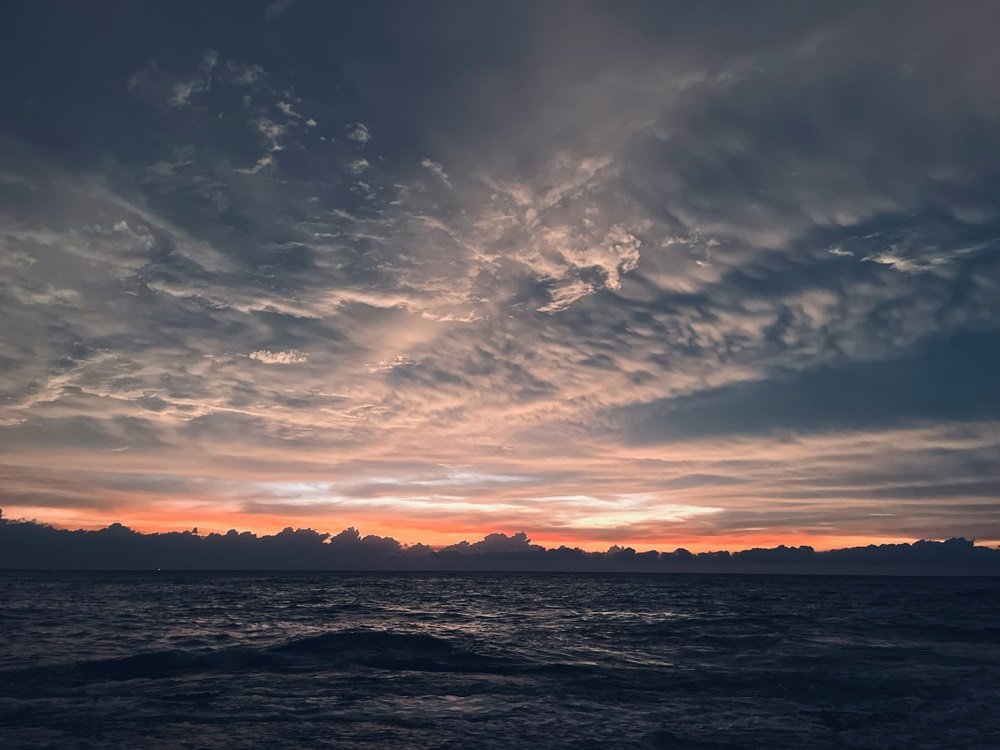
Negombo is not a stopover; it is the type of place that sneaks up on you before you notice. Only 15 minutes to Bandaranaike International Airport, it welcomes visitors with an aroma of salt sea water of the Indian Ocean, with the sound of church bells, and fishermen netting in the morning. This coastal town, known as the Little Rome because it is rich with churches and a robust history of Christians, is a living mosaic of golden sands, a network of canals, an aroma of spices, and peeped history inscribed in the rocks of Dutch forts.
The greatest thing about Negombo is that it is a place that feels relaxed and lively at the same time. One morning, you can watch outrigger canoes drifting across the lagoon, as you wander through bustling markets, and finish the day with your toes in the sand as the sun turns the sea to liquid gold. It is not only an airport town; it is a town with layers of history, tastes, and colors that are impossible to leave. Stay a few hours or a few days, Negombo is sure to give you some remarkable experiences that live on long after you leave.
Table of Contents
1. Negombo Beach
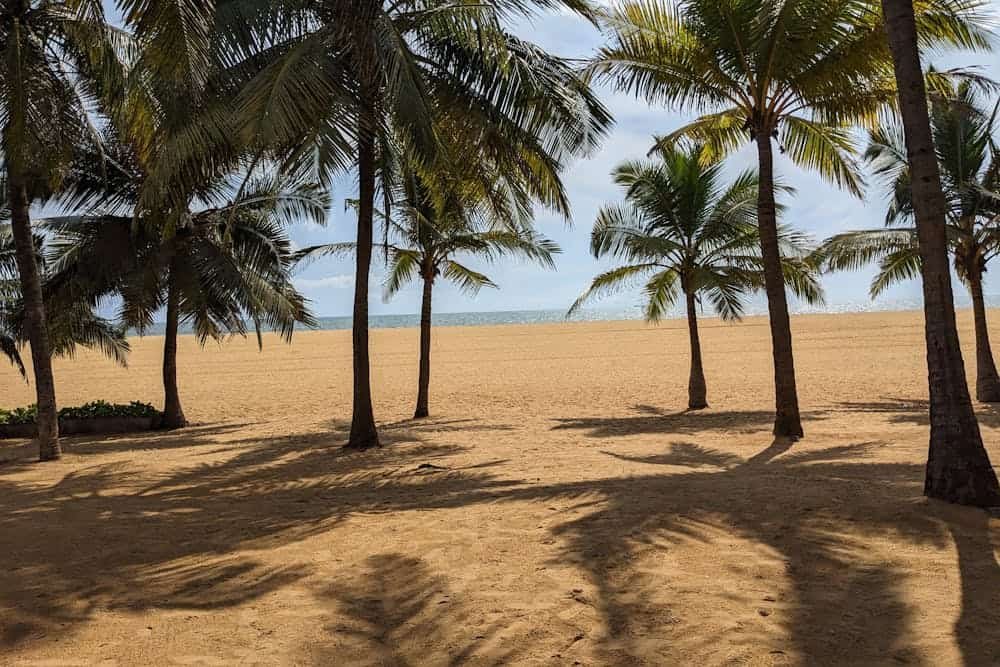
Negombo Beach is a continuation of the city’s coastline and presents nice golden sand and a vast horizon of the ocean. It’s the best spot for catching a glowing Indian Ocean sunset while sipping a fresh king coconut. Water sports like jet-skiing, windsurfing, and kite surfing are popular here, with equipment rentals available from beachside stalls. Early mornings are peaceful, perfect for yoga or quiet walks, while late afternoons bring lively beach football games and music from nearby bars.
Things to Do at Negombo Beach:
- Try jet-skiing or kite surfing with local rental shops – Friendly instructors are available for beginners, and seasoned surfers will love the strong afternoon winds along the shore.
- Walk north to Browns Beach for fewer crowds – This stretch is cleaner, quieter, and ideal for travelers seeking a calmer swim away from busy beach bars.
- Watch the sunset while enjoying grilled lagoon prawns – Many pop-up seafood grills set up along the sand in the evening, serving freshly caught prawns, crabs, and fish.
- Learn more about Sri Lanka’s beaches here – Visit trusted travel guides and tourism portals for insider tips, seasonal advice, and beach safety updates.
Book your stay in Negombo now with Wander Tropics and wake up to golden beaches and fresh seafood. Also, if you want to learn more about Sri Lanka’s beaches, visit here.
2. St. Mary’s Church
Built in the late 19th century, St. Mary’s Church is one of the largest cathedrals in Sri Lanka, famous for its elaborate ceiling frescoes and stained glass windows. The pastel-blue façade is striking, but the interior is even more impressive; every inch of the ceiling is hand-painted with biblical scenes. It’s a peaceful retreat from the busy streets, and you might hear the organ playing during service times. The church also reflects Negombo’s deep-rooted Catholic heritage, dating back to the Portuguese era. Visiting during a festival reveals colorful processions and floral decorations that bring the church to life.
3. Negombo Lagoon
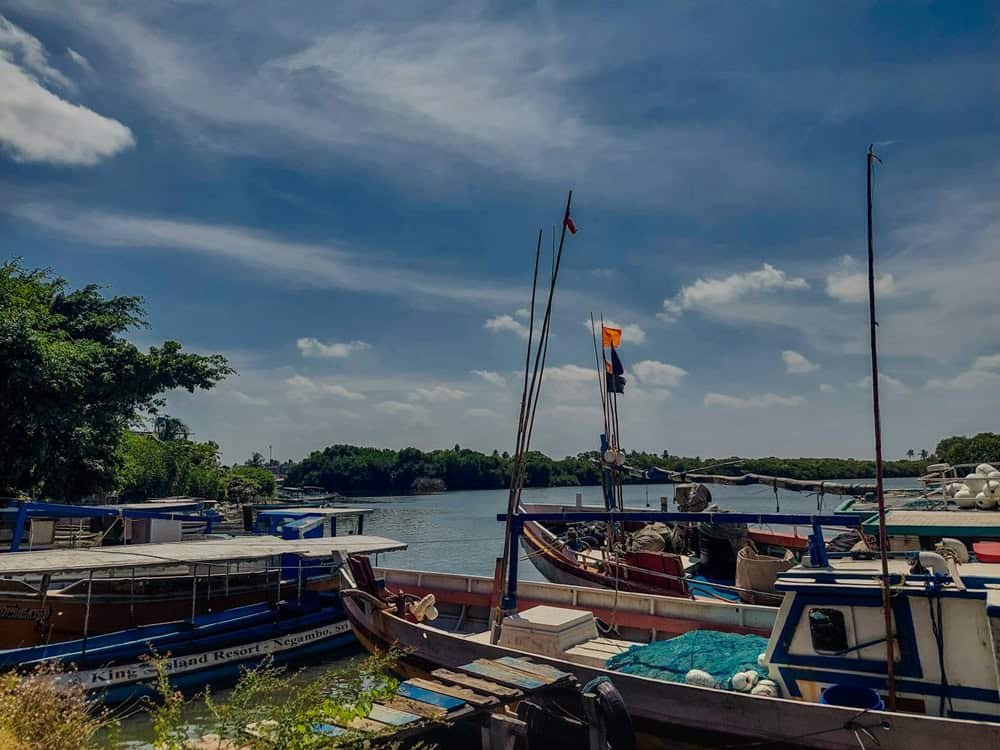
The expansive Negombo Lagoon is a hub for fishing and birdwatching. A boat ride takes you past mangroves, small islands, and traditional outrigger canoes. It’s a photographer’s dream, especially at dawn when fishermen set out in colorful boats. Bird enthusiasts can spot cormorants, herons, and kingfishers here.
Why Visit Negombo Lagoon:
- Authentic view of local fishing life – Watch fishermen haul in their morning catch using age-old techniques, mend nets on wooden jetties, and skillfully navigate narrow channels in handmade boats.
- Opportunity to taste fresh crab and prawns cooked onboard – Some tours prepare your seafood straight from the net, grilled with Sri Lankan spices for a truly unforgettable “sea-to-plate” experience.
- Peaceful mangrove landscapes are perfect for nature photography – Capture mirror-like reflections, tangled root systems, and the interplay of light and shadow that changes dramatically between sunrise and sunset.
4. Dutch Fort & Canal System
Though only a small section of the 17th-century Dutch Fort remains (now part of a prison), it’s worth a quick stop to see the historic gate and adjoining canal network. The canals, once used to transport cinnamon and spices, still run through Negombo and are navigable by boat or kayak. Visit at sunset to see the warm light reflecting off the old brick walls, and you might even spot local fishermen casting their nets along the waterway — a living link to the town’s trading past.
5. Fish Market
The Lellama Fish Market is Negombo’s beating heart. From sunrise, fishermen unload the day’s catch, tuna, squid, crabs, and even shark, straight onto the market floor. It’s chaotic, colorful, and smells unmistakably of the sea.
Negombo Fish Market Stats:
| Feature | Details |
| Best Visiting Time | 5:30 AM – 7:00 AM |
| Main Products | Tuna, crabs, squid, and reef fish |
| Average Daily Volume | 10–15 tons of seafood |
| Entry Fee | Free |
| Photography Allowed | Yes, but ask locals for permission |
6. Angurukaramulla Temple
This temple is home to a giant seated Buddha statue, a dragon-headed entrance, and centuries-old murals. Inside, paintings depict scenes from the Buddha’s life and Sri Lankan history. Despite Negombo’s Catholic heritage, this temple is an essential reminder of the island’s Buddhist roots. A hidden library within the grounds holds rare ancient manuscripts, some dating back hundreds of years. Early morning visits are exceptionally peaceful, with the sound of temple bells and chanting adding to the spiritual atmosphere.
7. Hamilton Canal
Built by the Dutch and later improved by the British, the Hamilton Canal links Negombo Lagoon to Colombo. Today, it’s a tranquil waterway where you can kayak or take a small motorboat past fishing villages and palm groves. Birdwatchers will love spotting kingfishers, herons, and egrets along the lush banks. The still waters also make it a safe and relaxing option for beginners trying kayaking for the first time.
This canal offers a slower, more immersive travel experience. Many visitors combine a canal tour with a stop at rural markets along the route. Riverside cafés serve local favorites like sweet tea and coconut pancakes (pol pani), adding a tasty element to the trip. If you go in the early morning or late afternoon, the lighting turns golden, making it a dream for photography. Local guides often share fascinating stories about the canal’s history and role in Sri Lanka’s spice trade.
8. Browns Beach
Browns Beach is cleaner and quieter than the central Negombo Beach, making it ideal for swimming and picnics. Its shallow waters are perfect for families with children. Hotels and restaurants are on the beach, so food and facilities are never far away. The beach is also popular with locals on weekends, giving visitors a friendly community vibe. If you’re lucky, you might even spot fishermen pulling in their nets early in the morning.
Morning visits are best for calm seas, gentle breezes, and clear light for photography. By midday, you can grab a drink at one of the beach bars or rent a sunbed for a few hours of relaxation before heading back into town. In the late afternoon, you can enjoy beach volleyball games or simply watch the sun dip below the horizon in peace. The soft, golden sand here is also perfect for barefoot walks along the shoreline.
9. Negombo Nightlife
Negombo’s nightlife blends beachside relaxation with vibrant street culture. Along Lewis Place and Beach Road, you’ll find bars playing live music, seafood grills, and shisha lounges. For something truly local, try the street food stalls, crispy isso wade (prawn fritters), spicy kottu roti, and achcharu (pickled fruits) are must-tries.
Popular Nightlife Spots:
- Rodeo Pub & Restaurant: One of Negombo’s most famous hangouts, known for its lively atmosphere, nightly live music, and a dance floor that fills up quickly on weekends. Their seafood menus and tropical cocktails are spectacular and have made this a fine one-stop place to indulge in dinner and nocturnal entertainment.
- Coco Beach Club: A stylish seaside place serving sunset cocktails, thematic DJ events, and the occasional fire-dance show. It’s perfect for travelers who want to sip a drink with their feet in the sand while enjoying a more upscale party vibe.
- Local Street Food Stalls on Lewis Place: After the bars wind down, the aroma of sizzling prawn fritters and spicy kottu roti fills the air. These stalls serve late into the night, giving you a taste of authentic Sri Lankan street culture while mingling with locals.
Best Time to Visit Negombo
The ideal time to visit Negombo is between November and April, when sunny skies, calm seas, and crystal-clear waters make it perfect for beach days, snorkeling, and diving. This season also delivers the most spectacular sunsets along Negombo Beach, painting the horizon in vibrant oranges and pinks almost every evening.
If you visit in February, you can catch the lively St. Sebastian’s Festival, a burst of color and tradition that reflects the city’s deep cultural roots. From May to October, the weather is warmer but rainier, meaning fewer crowds and lower hotel rates, a bonus for travelers who don’t mind the occasional tropical shower.
Ready to make the most of Negombo’s charm? Whether you’re dreaming of sunset cocktails by the shore, lagoon boat rides, or exploring historic churches, Wander Tropics can help you make it happen. Browse our ready-made travel packages or customize your own here to start planning your unforgettable Sri Lankan getaway.
FAQs
Negombo is known for its golden beaches, colonial-era churches, fishing industry, and lagoon. Nicknamed “Little Rome” for its many Catholic churches, it offers a vibrant fish market, bustling canals, water sports, and fresh seafood dining, attracting visitors year-round.
Spend one to three days enjoying the beach, lagoon, or canal tours, and key sights like St. Mary’s Church and the fish market. A short visit covers highlights, while a longer stay allows relaxed sightseeing and nearby day trips.
Negombo offers a relaxed, beach-focused atmosphere and is closer to the airport, ideal for short stays. Colombo suits travelers seeking shopping, art, and city energy. The choice depends on whether you prefer coastal charm or an urban experience.
Yes, you can swim at Negombo Beach, with Browns Beach being the safest option due to calm, shallow waters. The best season is from November to April, when the sea is more peaceful. Always follow lifeguard advice and check warning flags, as currents can be intense.