Guides
Dehiwala Zoo
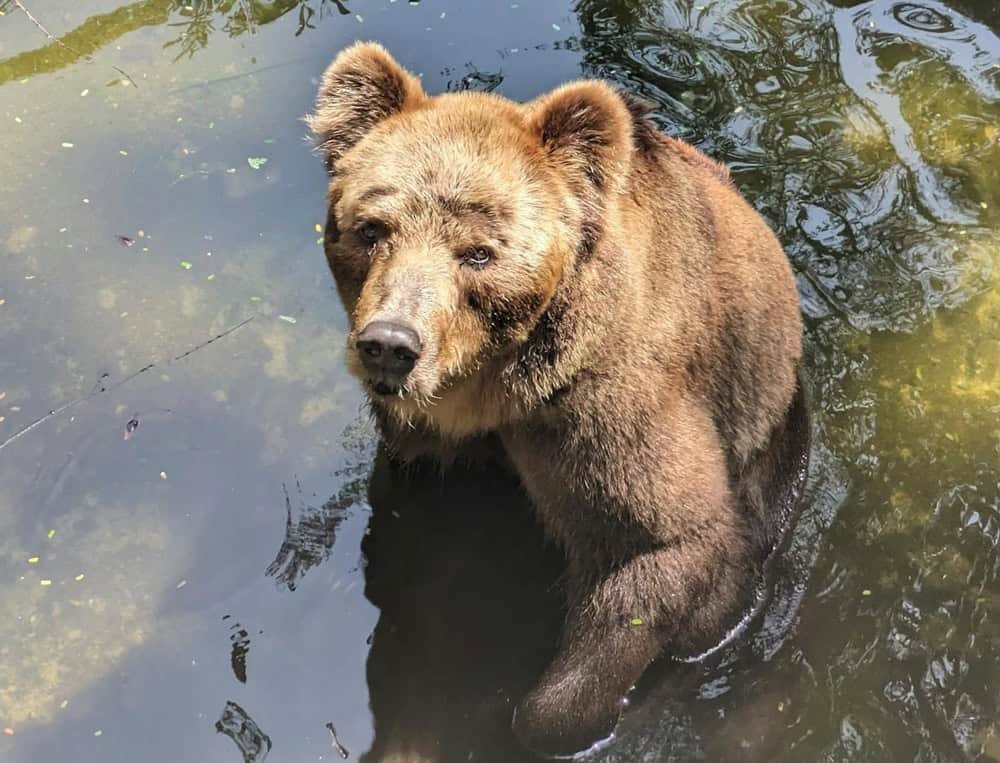
The Dehiwala Zoological Gardens known as Dehiwala Zoo is Sri Lanka’s most popular and Asia’s historic zoological facility. Since 1936 this 24-acre sanctuary has accommodated 3000 animals from approximately 350 distinct species consisting of mammals together with birds, reptiles and fish.
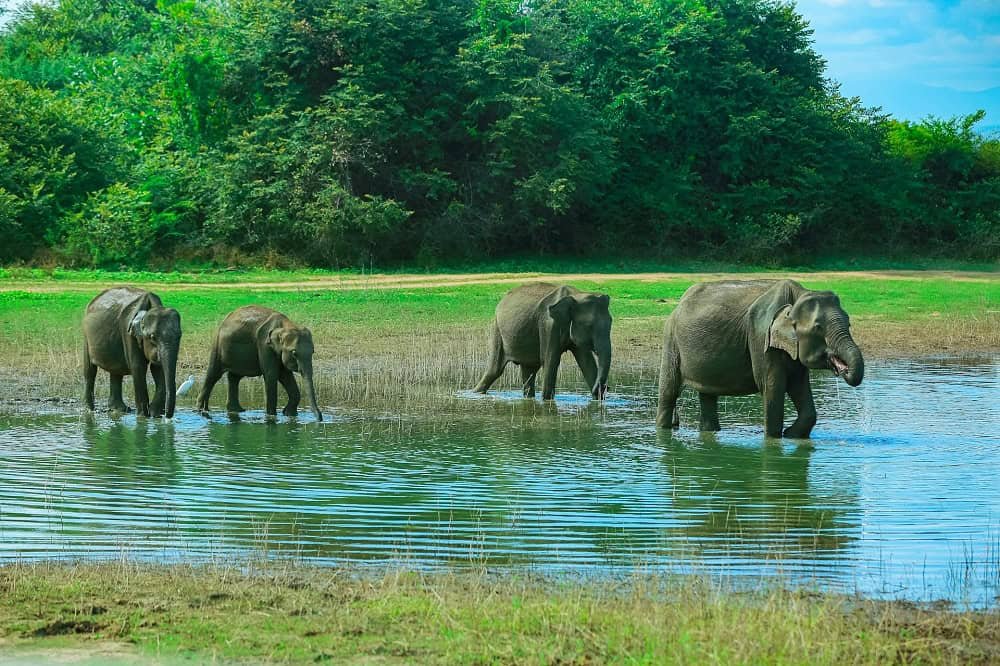
The National Zoological Department operates the zoo and focuses on species conservation, educational programs and recreational experiences for visitors. Visitors at Dehiwala Zoological Gardens can observe distinct animal species such as Bengal tigers, African lions and Asian Elephants together with tropical bird species.
The zoo has a butterfly garden, reptilium houses with about 32 reptile species, walk-through aviaries featuring exotic birds, and aquariums showcasing various marine specimens. The charm of the zoo comes from its daily animal shows including the elephant show, sea lion show and bird show.
Moreover, visitors can join interactive animal feeding sessions at Dehiwala Zoological Garden to watch different animals get fed. The zoo organizes animal feedings at various times throughout the day which
enables visitors to watch the lions, tigers, bears and primates. The night safari at the zoo provides visitors with a chance to witness creatures in their nocturnal habits during the evening hours.
All in all, Dehiwala Zoo provides its visitors with a combination of wildlife interactions together with entertainment for families. The facility grants visitors a dual opportunity to admire Sri Lanka’s natural diversity while learning about its colonial historical aspects.
Table of Contents
Location
Dehiwala Zoo occupies a strategic location within the Dehiwala-Mount Lavinia suburb which has a prime location of almost 10 kilometres (6 miles) from Colombo (Sri Lanka’s capital city). The zoo rests on Galle Road (A2 Highway) where visitors can access it easily through buses and trains. Visitors can find both Mount Lavinia Beach and the Dehiwala Market in proximity to the location.
Ticket price
The entry fees at the Dehiwala Zoological Garden in Colombo vary according to the visitor’s national background and the visitor’s age.
- Adults who are citizens of Sri Lanka must pay (Sri Lankan Rupee) LKR 100 while children between the ages of 3 and 12 years old have to pay LKR 30.
- The admission fee for overseas guests costs LKR 2,500 for adults while for the children it is LKR 1,250.
- The admission fee for The South Asian Association for Regional Cooperation (SAARC) visitors is LKR 700 for adults and LKR 350 for children who belong to school or nursery groups.
Timings
- The timings of the Dehiwala Zoo are from 8:30 am to 6:00 pm from Monday to Sunday.
- The feeding session of selected animals and birds starts at around 1:30 Pm (Friday-Sunday afternoons).
- The elephant show timing at the zoo is around 4:30 pm daily.
- The sea lion show timings are around 7:30 pm daily.
- The night safari timing is from 7 pm-10 pm (Friday- Sunday).
The optimal time to visit is during the mornings and late afternoons because it helps travellers avoid crowds and extreme heat. A sufficient period needed to explore the zoo is around three to four hours.