
Sigiriya sits in the middle of Sri Lanka’s Cultural Triangle. The whole place feels calm the moment you arrive. You see this massive rock rising out of the forest and you get why people talk about it long after they leave. The story tied to the fortress adds another layer.
Wander Tropics keeps updated guides on routes, tours and local travel tips. It’s helpful when you’re planning the smaller details that make a trip smoother.
The list below walks you through the best places to see when you’re in Sigiriya.
Sigiriya Rock Fortress
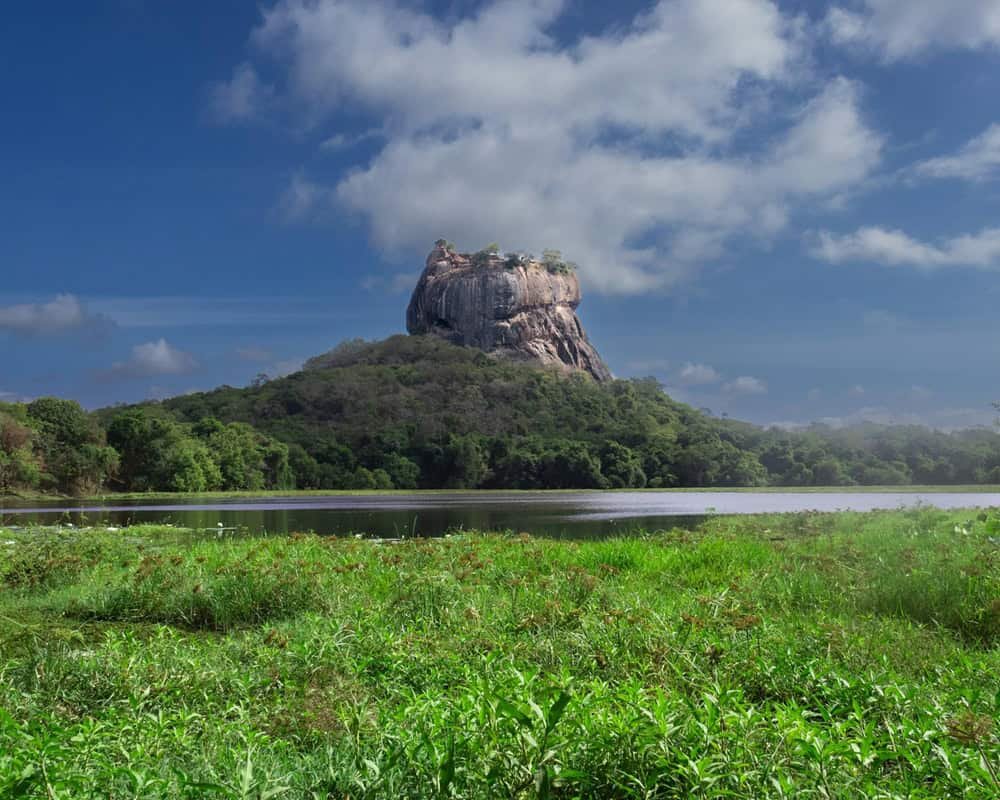
Sigiriya Rock Fortress sits right at the center of the landscape. The story behind it goes back to the 5th century when King Kashyapa turned the top of the rock into a royal complex. You still see traces of that world. The pathways cut into the stone.
The whole place feels clever in its design. The symmetry. The irrigation systems. The way the palace sat high enough to spot anything approaching. You notice those details more once you start moving through the grounds.
The views at the top stretch across forests, villages and distant hills. The space opens up into what used to be the palace. Most travelers spend a while up there, partly to catch their breath and partly because the scenery holds you for a moment.
Pidurangala Rock
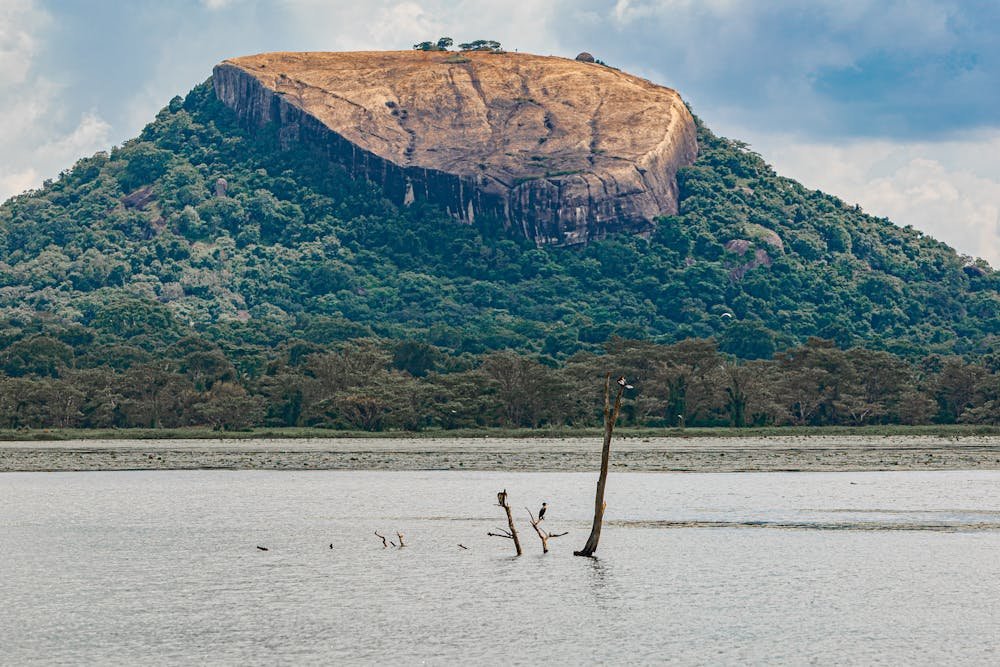
Pidurangala sits just a short drive from Sigiriya. The hike starts at a small temple and cuts through a mix of stone steps, forest paths and a few boulders near the top. It’s shorter than climbing Sigiriya Rock, however, the payoff hits once you reach the summit. The entire view opens toward Sigiriya Rock itself, so you get that clean, postcard angle you often see online.
Photographers love it because the rock sits right in the center of the frame with the forest stretching out beneath it. The top feels more relaxed too, and there’s space to sit, take photos and just watch the scenery without much noise around you.
Wear shoes that can handle uneven ground. The last section has a few large rocks to climb over, and it helps to have grip. Since the trail starts at a monastery, travelers usually make a small donation and shoulders and knees should be covered when passing through the temple area.
Sigiriya Museum
The Sigiriya Museum sits near the entrance to the fortress. While inside the museum, you’ll walk through rooms with pottery, tools and sculptures pulled from excavations around the rock. There’s a scaled model of the entire site that helps you understand how the palace and gardens once connected. Some sections show how archaeologists uncovered different layers of the complex, so you see the story of Sigiriya unfold piece by piece.
Spending a little time here makes the climb feel more meaningful. Travelers who visit the museum before the climb often say the whole site feels more alive afterward.
The museum usually opens around standard daytime hours, so it fits easily into any schedule. Most people spend about 30 to 45 minutes inside, which is enough time to walk through the galleries without rushing.
Minneriya National Park
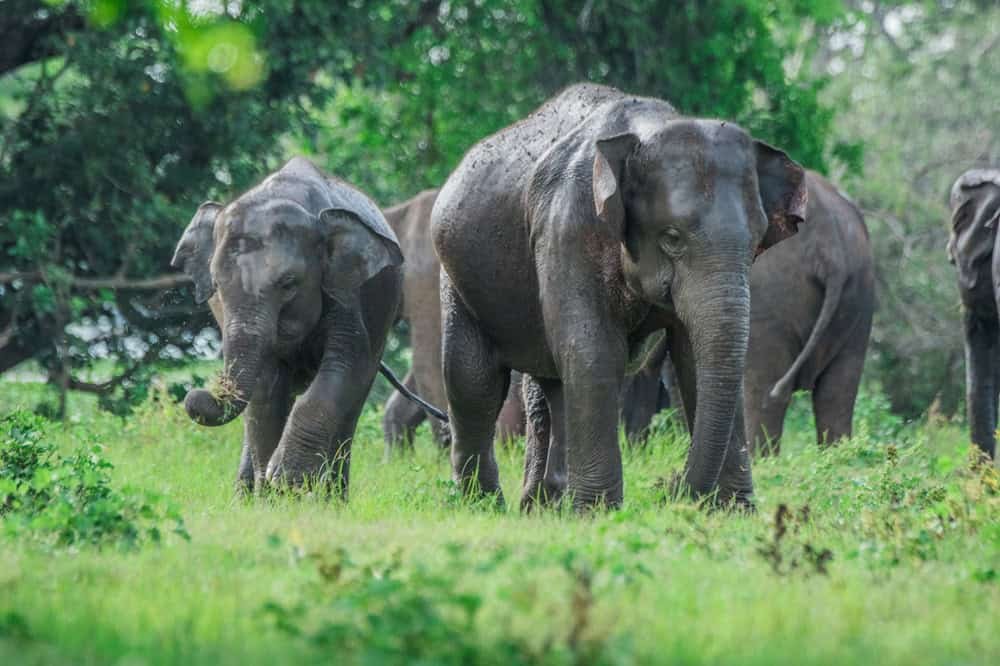
Minneriya National Park sits about half an hour from Sigiriya. Travelers know it for something special called “The Gathering”. During the dry months, huge herds of elephants walk out toward the Minneriya Tank. You can see dozens at once. Sometimes more. They graze, splash around and move in slow groups across the grasslands.
While elephants are the highlight, you may also spot deer, monkeys, peacocks and big flocks of waterbirds. If you’re lucky, you might catch a glimpse of a jackal or a fishing cat near the marshy areas. The lake itself brings in plenty of birdlife, and that adds some quiet moments in between sightings.
The best time to see large elephant herds is from July to October. That’s when the water levels drop and the animals gather near the tank. Midday heat can get intense, so morning or late afternoon drives feel more comfortable.
Wander Tropics works with trusted safari partners and helps travelers choose the right time slot. Their guidance saves you from guessing which operator to pick or how long to spend inside the park.
Kaudulla National Park

Kaudulla National Park sits close to Minneriya, and the wildlife moves between the two depending on the season. Elephants migrate along this corridor, so some months you’ll find large herds gathered around the Kaudulla Tank instead. The park has a mix of grasslands, shallow water areas and patches of forest. That variety pulls in deer, monkeys, pelicans, eagles and a steady flow of smaller creatures you catch in quick flashes as the jeep moves.
Kaudulla feels calmer than Minneriya. Fewer jeeps enter on most days, so it’s easier to enjoy long stretches of quiet while watching the elephants graze. In some seasons, sightings here even outshine Minneriya because the herds shift based on water levels. Many travelers who have done both parks mention that Kaudulla gave them closer or more relaxed viewing moments.
You can decide between the two parks on the day of your safari. Local guides often know where the herds moved last. Some travelers book a flexible option so the jeep heads to whichever park has the better activity. For general wildlife ethics and responsible viewing, this guide is helpful.
Dambulla Cave Temple
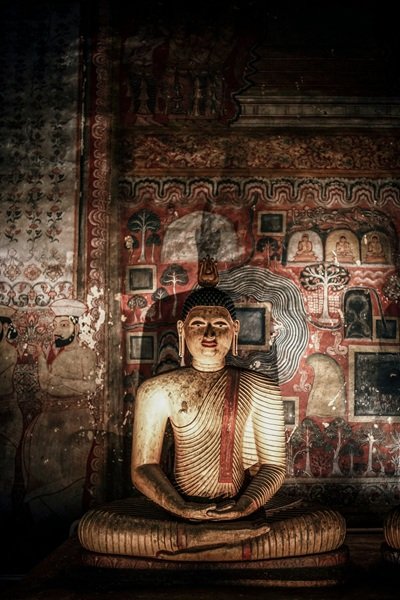
The Dambulla Cave Temple is a major stop near Sigiriya. It’s a UNESCO World Heritage Site that dates back more than 2,000 years. Inside the caves, you’ll find large Buddha statues and colorful murals painted across ceilings and walls. The artwork represents stories from Buddhist teachings, kings, gods and ancient kings who paid tribute to the site. The scale of some statues feels powerful because they’re carved right into the cave rock.
To explore, you’ll have to climb a few flights of stairs carved into rock. Once inside, the caves connect through a series of chambers. Each chamber feels different. Some are dim and intimate. Others feel grand and open.
The best time to visit is early in the morning when the light filters gently into the caves and crowds haven’t fully arrived.
Sigiriya Village Tour
The Sigiriya Village Tour starts with a short bullock cart ride through quiet lanes. The carts move slowly, so you can take in the rhythm of the village. After that, there are walks through rice fields. You’ll see farmers tending paddies and hear the water trickling through irrigation channels. Some tours include cooking demonstrations where locals show how they prepare traditional meals over clay stoves. The mix of sights, sounds and smells feels grounded and surprisingly relaxing.
People like the tour because it goes beyond sightseeing. You get a sense of daily life, the small routines, and the farming traditions that have stayed the same for generations. There’s interaction with villagers, small exchanges that make the visit personal. It gives context to the broader area around Sigiriya and helps you understand how the land connects to history and culture.
Small groups work best. Fewer people make the walks and demonstrations feel less crowded. Weather matters too—sunny mornings are pleasant, and afternoons can get warm. Wander Tropics lists reliable tour options and helps you pick guides who show the village respectfully while keeping the experience smooth.
Hurulu Eco Park
Hurulu Eco Park sits within a protected Biosphere Reserve near Sigiriya. The area blends forested patches with open grasslands. Jeeps move through winding tracks, and the environment feels quieter than the bigger national parks. The sense of space makes it easy to notice smaller details—the way sunlight falls through tree canopies or the sound of birds moving overhead.
The mix of forest and open land lets you switch from wide, panoramic views to intimate wildlife moments in a few minutes.
Best Time to Visit Sigiriya
During the dry Season between May to September usually bring clear skies and dry paths. Climbs up Sigiriya Rock are less slippery, and the views from the top stretch far without haze. National park safaris also work better because the ground is firmer and animals gather around the remaining water sources, making sightings more predictable.
Meanwhile, visiting outside peak months can be rewarding too. Fewer tourists mean you can take photos without crowds in the frame.
Planning thoughtfully helps you get the most out of your visit. Wander Tropics provides up-to-date guides, trusted tour recommendations and route planning advice to make exploring the area smoother and more enjoyable
Frequently Asked Questions
Sigiriya Rock Fortress is the iconic highlight that draws most travelers.
Two to three days is enough to cover the main attractions and nearby parks comfortably.
Pidurangala offers a cheaper, shorter climb with panoramic views of Sigiriya Rock. Sigiriya itself has more history, frescoes and larger grounds, so the choice depends on whether you prioritize scenery or heritage.
Early morning or late afternoon during the dry season gives cooler temperatures and clearer views.

Editorial Staff at Wander Tropics are Sri Lanka travel experts.